
Capabilities & Scientific Deep Dives
Renal Pharmacology & Multi-Compartment Strategy
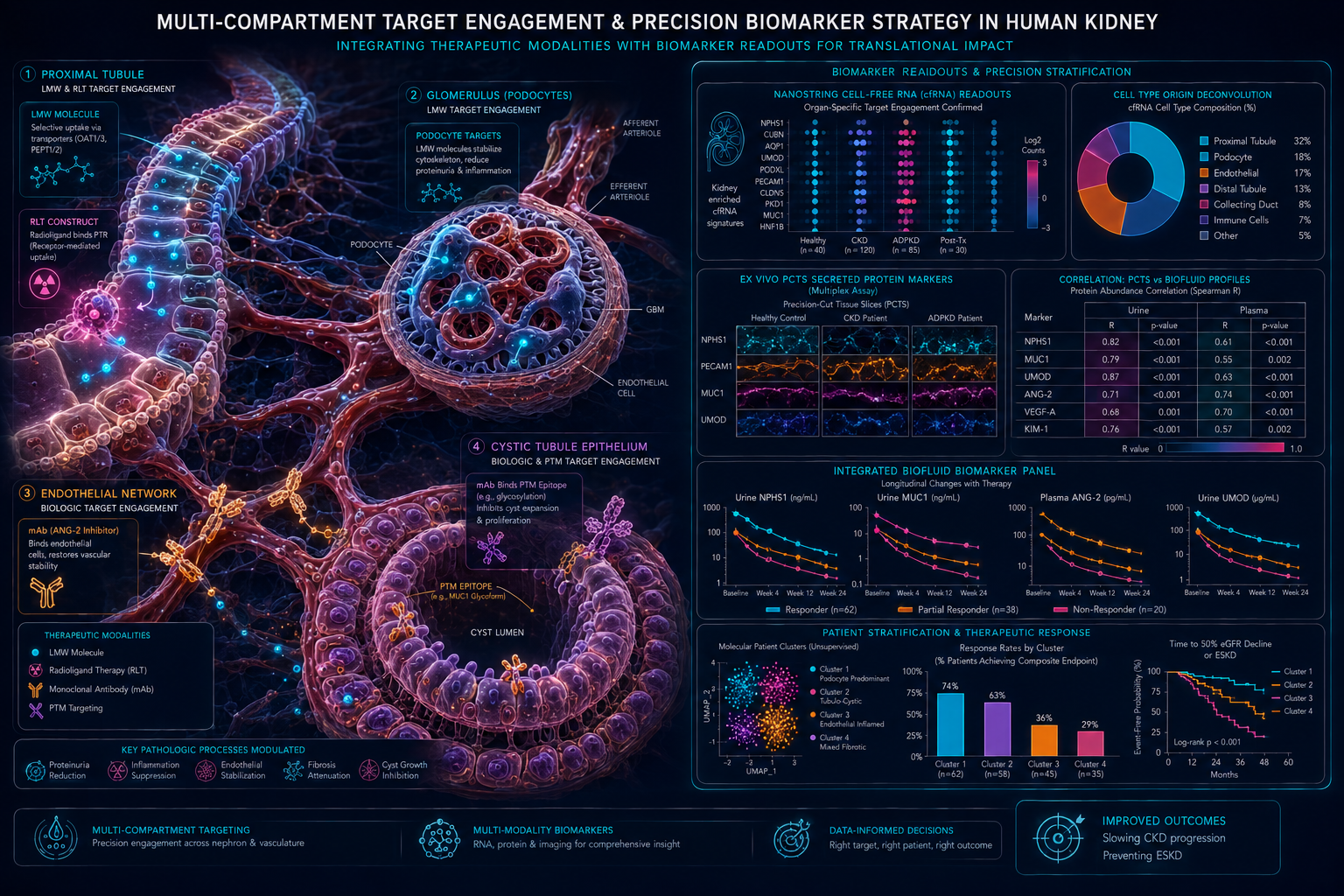
Mechanism of Action & Target Engagement:
Renal drug development frequently stalls due to a lack of compartmental precision. We advise on the design of robust strategies to validate Target Engagement and Pharmacodynamics (TE/PD) across all critical renal microenvironments. Our expertise spans guiding the validation of Low Molecular Weight (LMW) molecules and Radioligand Therapies (RLT) in proximal epithelial cells, to assessing biologic modulation in rare podocytopathies. For complex structural indications like ADPKD, we help asset teams architect high-resolution ex vivo models (utilizing Precision-Cut Tissue Slices) to accurately validate biologics targeting specific post-translational modifications (PTMs).
Translational Impact & Patient Stratification:
Preclinical target engagement must seamlessly bridge to non-invasive clinical readouts. We specialize in designing sophisticated biomarker architectures that de-risk early-stage assets. By structuring workflows for NanoString-based cell-free RNA (cfRNA) profiling, we help clients confirm organ-specific targeting and rigorously rule out systemic off-target liabilities. Furthermore, we advise on the development of highly predictive translational assays, ensuring your pipeline has a clear, stratifiable proof-of-concept for Phase I clinical trials.
Fibrosis Reversal & Small Molecule Evaluation
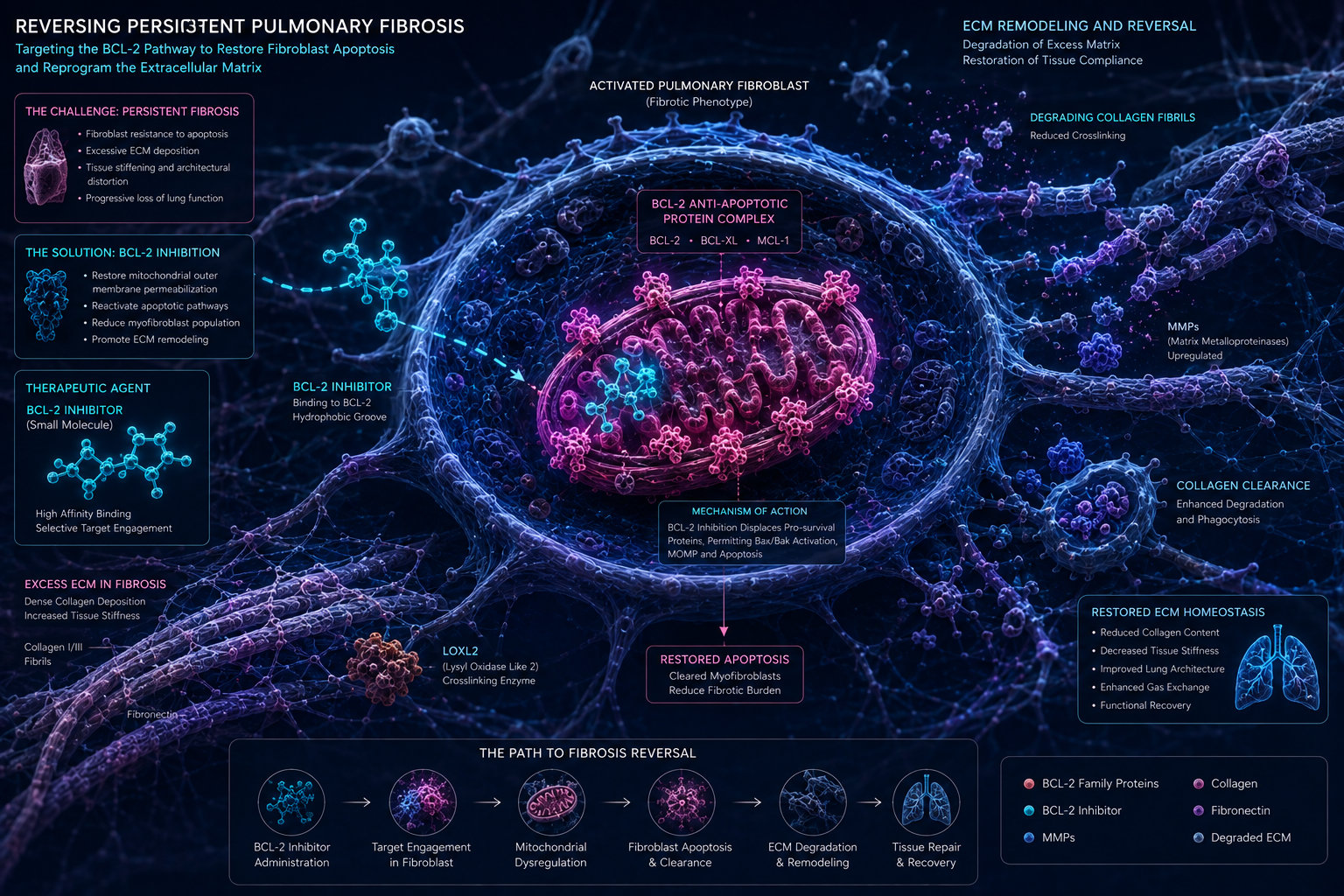
Mechanism of Action:
Persistent pulmonary fibrosis is driven by myofibroblast resistance to apoptosis and excessive extracellular matrix (ECM) deposition. Targeting the mitochondrial BCL-2 anti-apoptotic protein complex directly restores outer membrane permeabilization, reactivating apoptotic pathways in activated fibroblasts. This clearance facilitates the degradation of crosslinked collagen fibrils and the restoration of ECM homeostasis and tissue compliance.
Translational Impact:
This visualized mechanism demonstrates our deep proficiency in dissecting fibrotic microenvironments. We leverage these insights to provide strategic advisory on early decision-making assays, guiding teams in streamlining high-throughput assessments for sclerosis assets, and designing frameworks to evaluate the impact of complex small molecules and biologics on precise target modulation.
Systemic Immunology & Multi-Organ Crosstalk
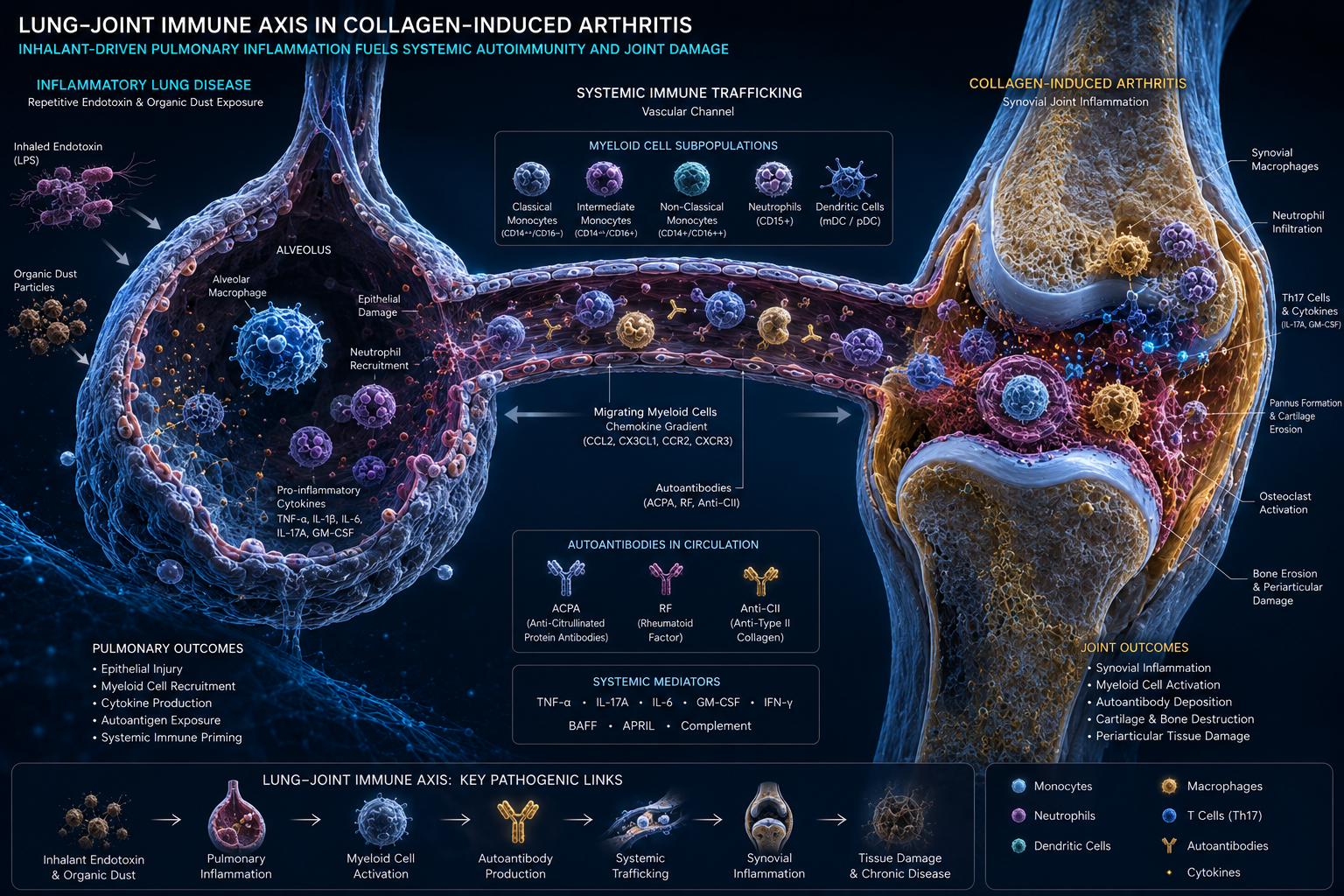
Mechanism of Action:
Airborne environmental exposures, such as repetitive endotoxin and organic dust, do not merely cause localized epithelial damage; they act as potent catalysts for systemic autoimmunity. This microenvironment drives the expansion of distinct myeloid cell subpopulations and autoantigen exposure in the lung, which subsequently traffic through the vascular network to fuel severe synovial joint inflammation, autoantibody deposition, and periarticular bone erosion in Rheumatoid Arthritis-Associated Interstitial Lung Disease (RA-ILD).
Translational Impact:
We specialize in strategic roadmapping for the systemic drivers of localized tissue pathology. By rigorously profiling immune-epithelial intersections and multi-organ inflammatory axes, we advise asset teams on developing comprehensive in vivo pharmacology models that accurately reflect complex autoimmune and fibrotic disease states, ensuring therapeutics are tested in the most clinically relevant environments.
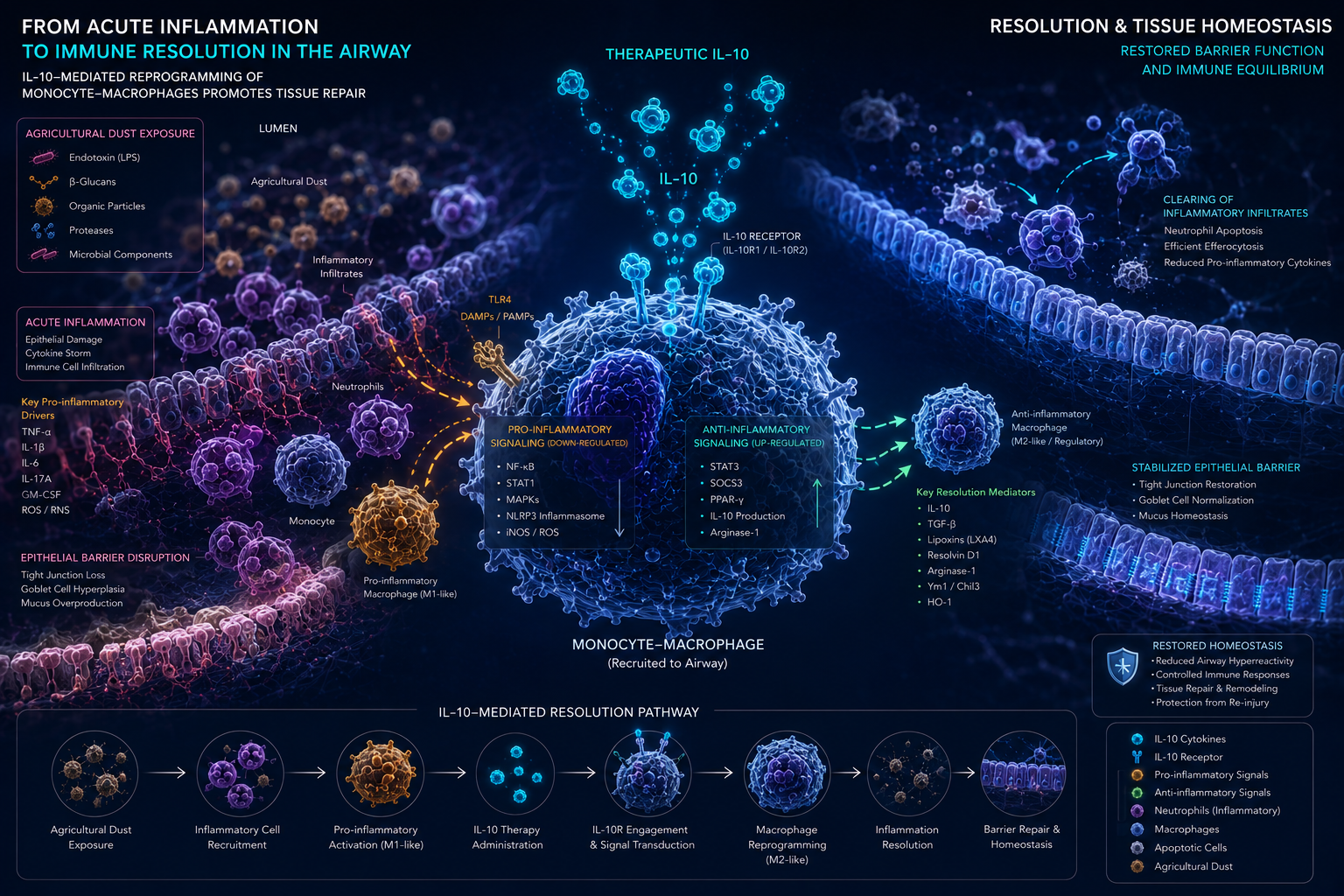
Targeted Immunomodulation & Tissue Resolution
Mechanism of Action:
In models of severe environmental lung injury, sustained inflammation is driven by robust neutrophil and inflammatory monocyte infiltration. Targeted delivery of therapeutic Interleukin-10 (IL-10) actively modulates this microenvironment. Engaging the IL-10 receptor down-regulates pro-inflammatory signaling (NF-κB) and actively repolarizes recruited monocyte-macrophages toward a resolution-promoting phenotype, accelerating the clearance of infiltrates and restoring the epithelial barrier.
Translational Impact:
This highlights a deep expertise in macrophage phenotypic plasticity and cytokine-mediated immune resolution. We deploy these mechanistic insights to help R&D teams design robust pharmacology models that accurately quantify therapeutic repolarization, barrier restoration, and the crucial shift from acute inflammation to tissue homeostasis.
Context-Dependent Alarmin Biology
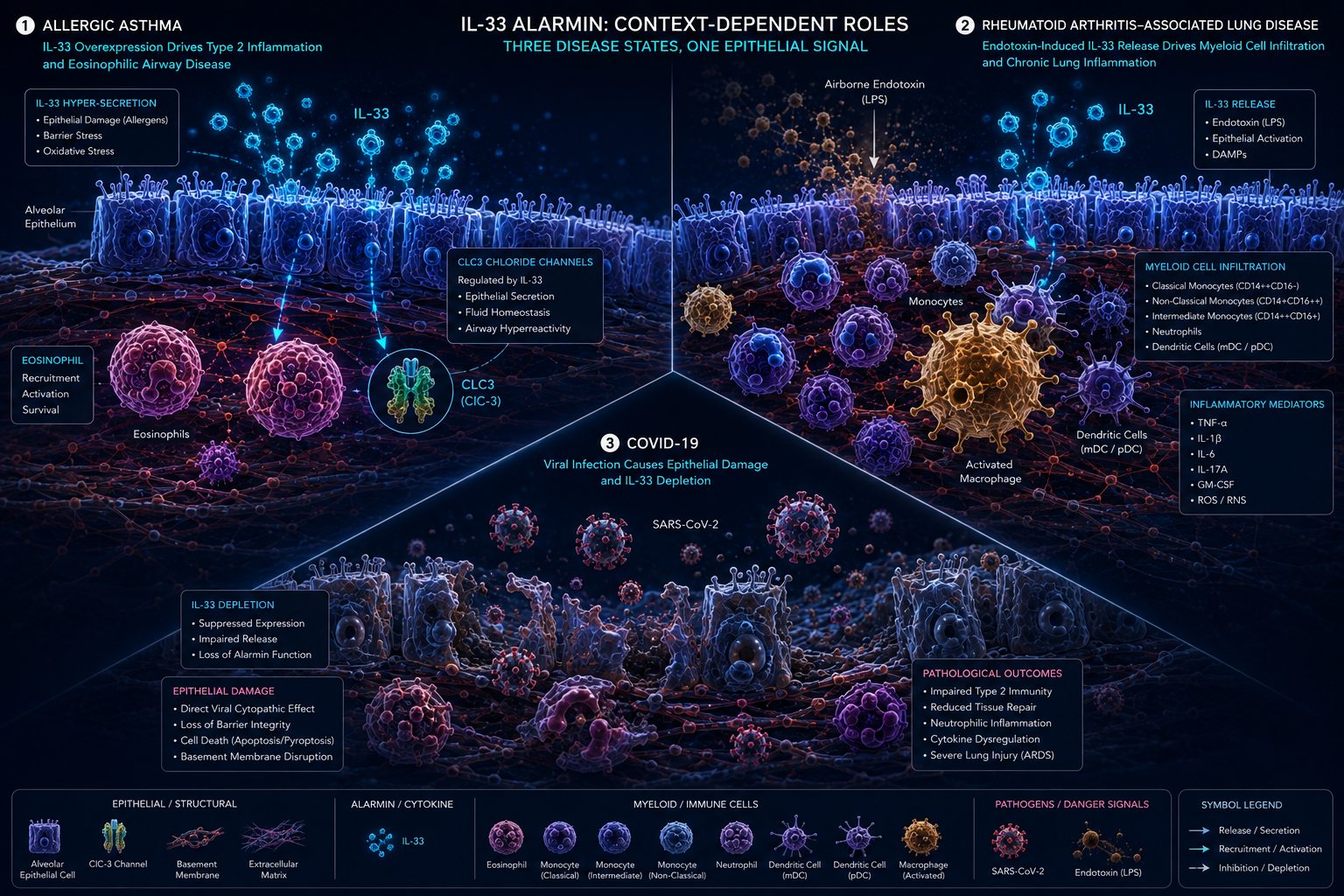
Mechanism of Action:
Interleukin-33 (IL-33) functions as a primary epithelial alarmin, yet its downstream pathological cascade is dictated entirely by the environmental trigger. In allergic asthma, IL-33 hyper-secretion drives robust eosinophil recruitment linked to ion channel function. In environmental RA-ILD, endotoxin exposure triggers IL-33 to orchestrate massive myeloid infiltration and chronic inflammation. Conversely, during acute SARS-CoV-2 viral infection, severe epithelial damage results in the pathological depletion of IL-33, compromising local innate defenses.
Translational Impact:
This divergent expression profile highlights the necessity of context-specific therapeutic targeting. We guide biopharma partners in designing precision in vivo models and biomarker deployment strategies. Our advisory ensures that alarmin-targeted biologics are evaluated in the most biologically accurate and pathogenically relevant microenvironments before advancing to the clinic.
Advanced Modality Delivery & Engineering
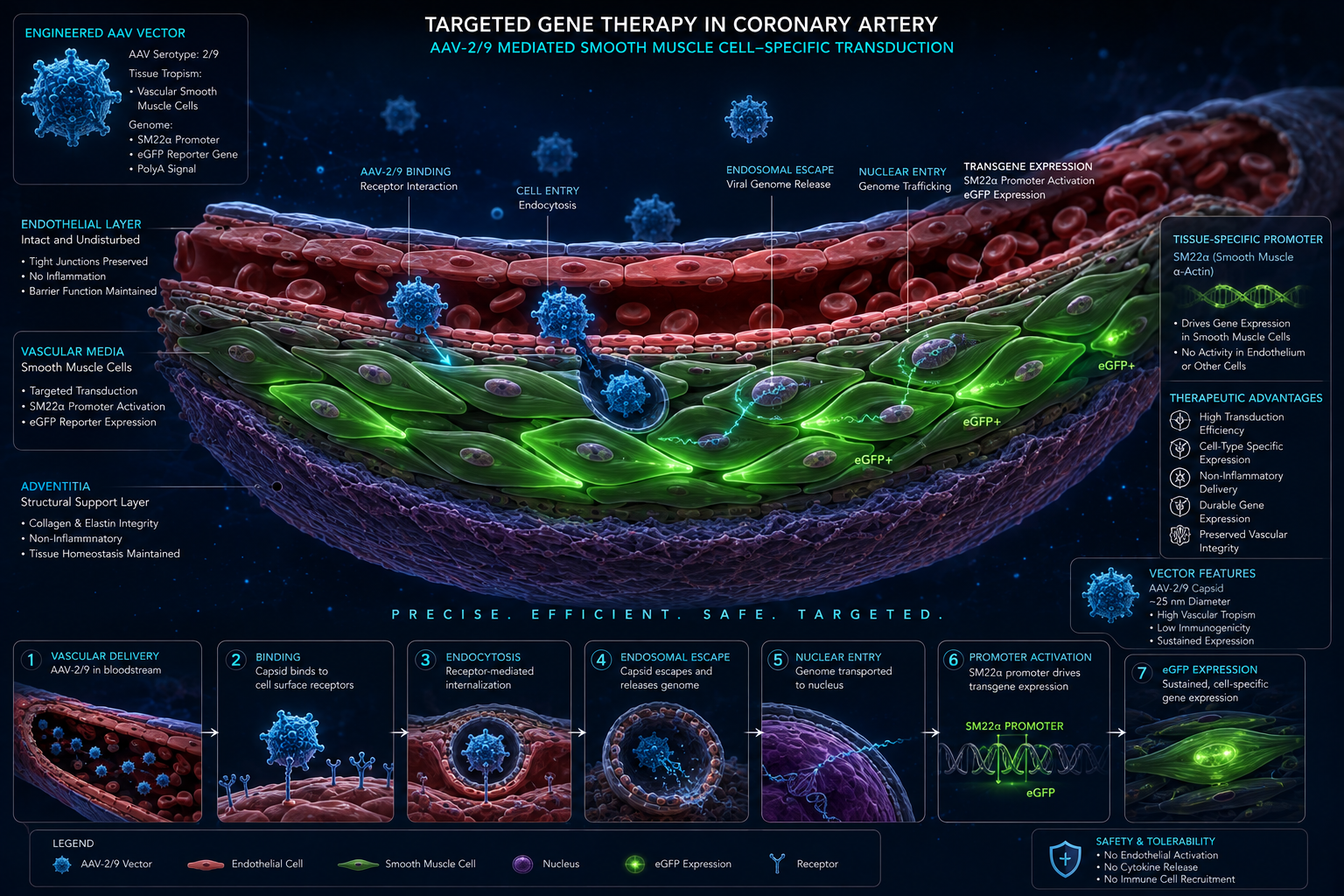
Mechanism of Action:
Targeted gene therapy requires highly efficient, tissue-specific delivery systems that evade systemic inflammatory responses. Utilizing engineered adeno-associated viral vectors (e.g., AAV-2/9) driven by cell-specific promoters (such as SM22α), therapeutic transgenes can be selectively transduced into target cell populations—like vascular smooth muscle cells—while preserving adjacent endothelial integrity and preventing unwanted immune cell recruitment.
Translational Impact:
Niraamay Translational Partners provides rigorous strategic de-risking for advanced therapeutic modalities, including viral vectors, siRNA, and nucleic acids. We advise asset teams on optimizing vector tropism, designing cell-type-specific promoter strategies, and architecting studies that prove precise, non-inflammatory in vivo delivery.
Complex Target Validation & Patient Stratification
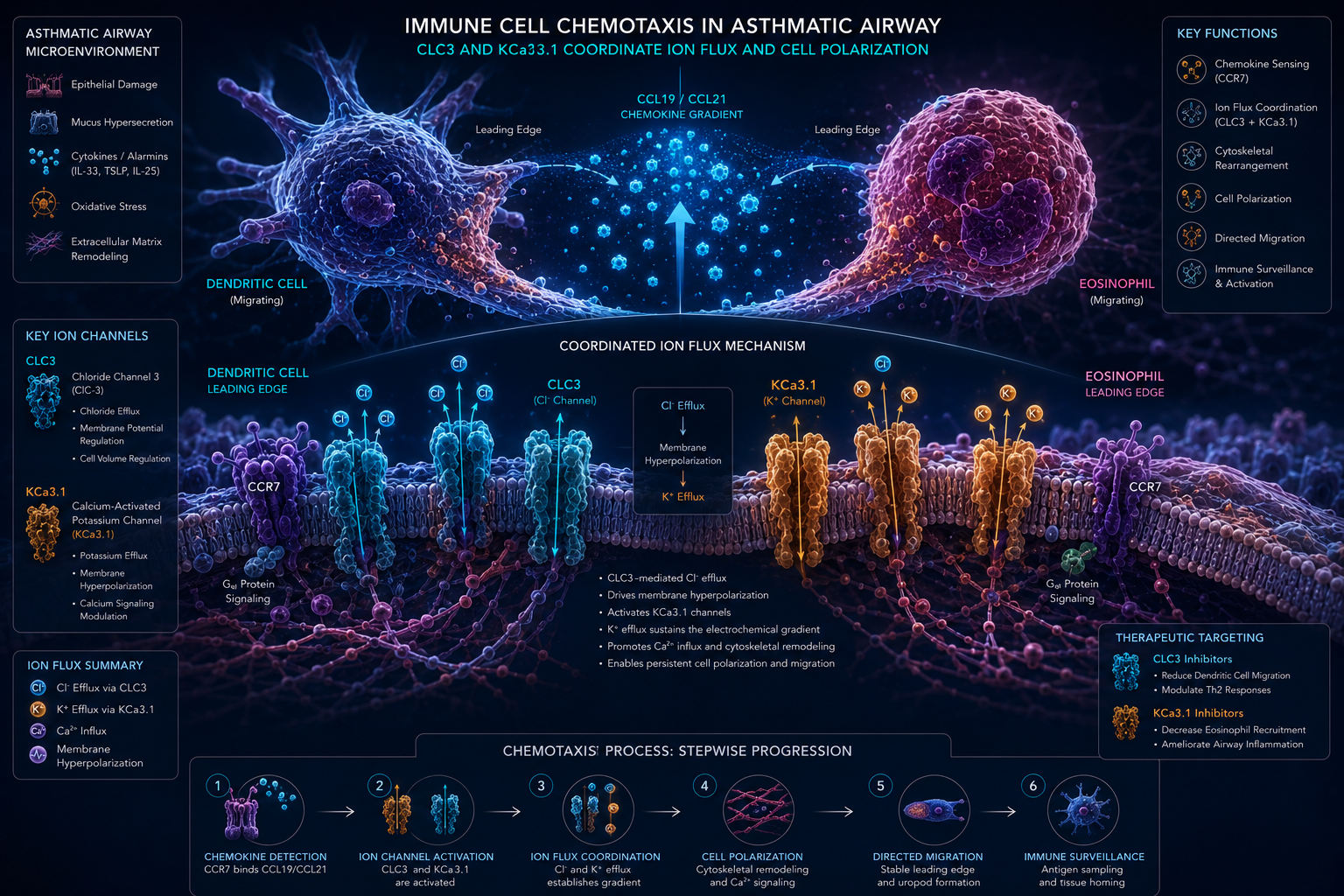
Mechanism of Action & Target Engagement:
Ion channel coordination—specifically the interplay between Chloride channel 3 (CLC3) and Calcium-activated Potassium channels (KCa3.1)—is a fundamental driver of immune cell chemotaxis and structural polarization. In the asthmatic airway microenvironment, chemokine gradients (CCL19/CCL21) activate these channels, establishing the electrochemical gradients required for persistent cellular polarization and aggressive tissue infiltration by dendritic cells and eosinophils.
Translational Impact:
Ion channels are notoriously complex therapeutic targets. We guide asset teams in rigorously validating these intricate membrane targets by mapping in vitro ion flux mechanics directly to immune cell activation. This strategic validation helps teams design precise cellular assays to evaluate CLC3 and KCa3.1 modulators, ensuring robust proof-of-mechanism before advancing targeted therapies into large-scale in vivo models.
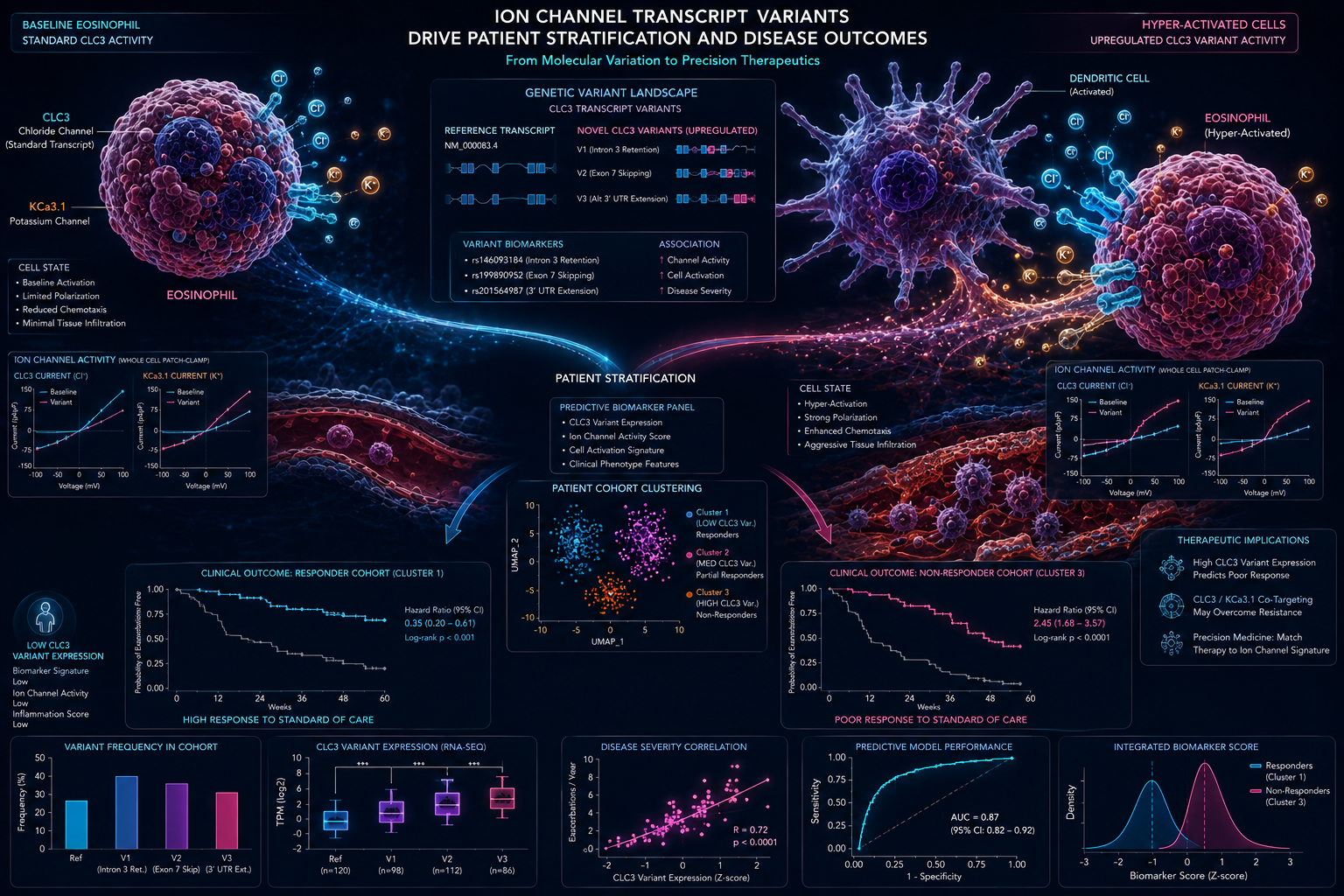
Mechanism of Action & Variant Profiling:
Extensive profiling of primary human clinical samples reveals that distinct, novel CLC3 transcript variants are significantly upregulated in severe asthmatic patients. These variant-driven channel profiles directly modulate cellular hyper-activation, creating clear phenotypic distinctions between baseline immune surveillance and aggressive, severe disease progression.
Translational Impact:
We transform complex transcriptomic and variant data into actionable clinical trial design. By mapping specific variant-driven mechanistic profiles, we advise biopharma partners on developing robust clinical biomarker panels. We help architect clinical strategies to stratify patient populations, identify early therapeutic responders based on specific molecular endotypes, and predict which patients are most likely to progress to severe disease phenotypes.